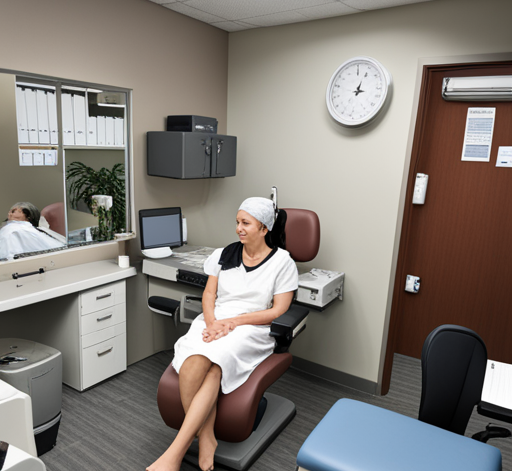
Dermatologists diagnose and treat conditions that involve the skin, hair, and nails. They also recognize symptoms that may indicate serious internal health issues. They can even perform surgery to repair damaged skin and treat cancerous growths.
Before your appointment, take pictures of moles and growths, and keep a symptom diary. Write down any over-the-counter products and prescription medications you’re taking. Remove nail polish and wear loose clothing to allow full examination.
Dermatologists diagnose and treat skin conditions
Dermatologists specialize in treating diseases of the skin, hair, and nails. They also conduct both clinical and basic research on the etiology, diagnosis, and treatment of inflammatory and malignant diseases affecting these structures.
When it comes to diagnosing a problem, dermatologists use the full range of tools, from a simple hand-held lens to a dermatoscope, which combines a magnifying lens with a built-in light. They then take a sample from the affected area and examine it under a microscope. This allows them to detect early signs of disease such as an evolving mole that could eventually lead to cancer.삼성동피부과
Sometimes a skin condition can be a symptom of serious health problems like diabetes and heart disease, as can psoriasis. Even non-life-threatening conditions can reduce quality of life, like eczema and hair loss that results in scarring or thinning hair. Medications and noninvasive procedures can treat many of these conditions, but more complex ones such as warts, fungal infections, ingrown toenails, or vitiligo may require surgery.온다리프팅
They perform biopsies
The skin is the largest organ in the body and protects us from heat, cold, germs, dangerous substances, and more. It also serves as a window into our internal health, and any change in its appearance could be an indicator of underlying issues such as inflammatory conditions or malignancies. Dermatologists are experts in diagnosing and treating diseases of the skin, hair, and nails, and they can manage cosmetic disorders such as fine lines and wrinkles.
If they suspect a mole or lesion is cancerous, dermatologists may perform a biopsy during your appointment. After they clean the area to be biopsied and may numb it, they scrape or cut away a small section of the growth, and send it to a lab for testing.

They may use a scalpel or a punch biopsy (a sharp, cylindrical tool that one might liken to a thick cookie cutter) for more extensive biopsies. The doctor will mark the biopsy site with a surgical marker and sterilize it before starting the procedure.
They perform cosmetic procedures
In addition to skin cancer and other medical concerns, dermatologists also treat cosmetic disorders such as scars and hair loss. To perform cosmetic procedures, dermatologists use a variety of tools and techniques. They can reduce scars, wrinkles and tattoos, remove moles and other noncancerous growths, and reduce pore size and the appearance of stretch marks. They can also perform surgical procedures such as dermabrasion, liposuction and cyst removal.
A common cosmetic procedure is dermabrasion, which involves using a device to scrape away the top layer of skin and allow smoother growth. Dermatologists can also use laser treatments to reduce wrinkles, sun damage, pore size and the appearance of scars. They can also lessen crow’s feet, spider veins and superficial varicose veins by injecting botulinum toxin into the affected area.
Cosmetic dermatology is growing in popularity among older patients. This is due to the increasing effectiveness of these treatments and because many of them are safe. However, the dermatologist must ensure that a patient has realistic expectations for the results of cosmetic treatments.
They perform surgery
Dermatologists are trained to recognize skin problems that may be a sign of other health concerns. For example, dry skin could indicate an underlying kidney problem. They can perform surgical procedures such as removing moles or warts, and they also have the training to perform cosmetic procedures like chemical peels, Botox, and fillers.
The first visit to a dermatologist starts with a discussion of your medical history. This includes any medications you are taking, as well as over-the-counter supplements or herbal remedies. The doctor will also ask you about any symptoms or changes you have noticed recently.
Many dermatologists perform minor surgeries, such as removing warts or moles, and they can also do biopsies. Some are experts in Mohs surgery, a technique that removes one layer of tissue at a time from a tumor and then examines it for cancer cells. This method allows the surgeon to remove as much of the tumor as possible while retaining as much healthy tissue as possible.